Fiberpartner
Viscose & Lyocell Fibers.

- Based on renewable and wood-based raw materials
- Soft and comfortable fiber solutions
- Excellent absorbency and moisture management
- Reliable performance across applications
- Suitable for blending and versatile processing
- Nonwovens, spinning, home textiles, and hygiene applications
Natural fibers designed for modern applications
SYLVA® is our range of viscose and lyocell fibers made from certified wood-based raw materials.
SYLVA® combines softness, comfort, and processing performance with a clear link to renewable resources. Developed for customers across nonwoven, spinning, hygiene, and home textile industries, SYLVA® supports applications where both functionality and responsible sourcing matter.
From lightweight nonwovens to soft textile applications, SYLVA® delivers reliable fiber performance across a wide range of end uses.
What is SYLVA® ?
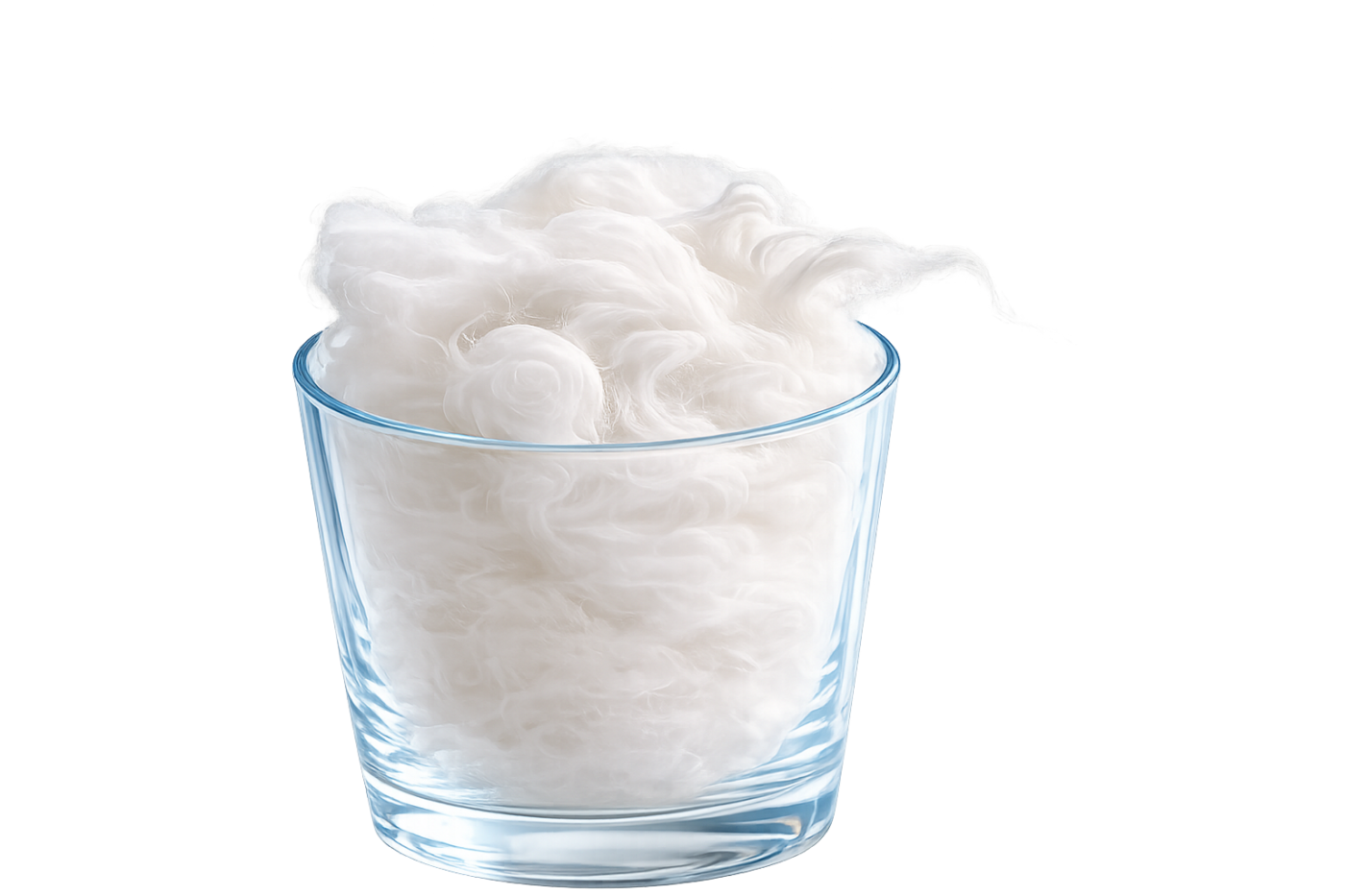
SYLVA® is Fiberpartner’s viscose and lyocell fiber portfolio based on natural cellulose raw materials sourced from certified wood.
The SYLVA® range is designed to offer:
- Excellent softness and comfort
- High versatility across applications
- Reliable processing performance
- Compatibility with various production technologies
- A strong connection to renewable raw materials
SYLVA® fibers are suitable for both standalone use and blending with other fibers depending on the desired end-product performance.
Key benefits of SYLVA®
Softness and comfort
SYLVA® fibers provide a soft and pleasant textile feel, making them suitable for applications where comfort and skin contact are important.
Renewable raw materials origin
Produced from certified wood-based raw materials, SYLVA® offers a fiber solution connected to renewable resources.
Excellent versatility
SYLVA® can be used across a broad range of industries and technologies, including nonwovens, spinning, hygiene, and home textile applications.
Reliable processing performance
The fiber range is designed to support stable and efficient processing performance across different manufacturing methods.
High absorbency
Viscose and lyocell fibers are known for excellent moisture management and absorbency properties, supporting functionality in hygiene and wiping applications.
Blend compatibility
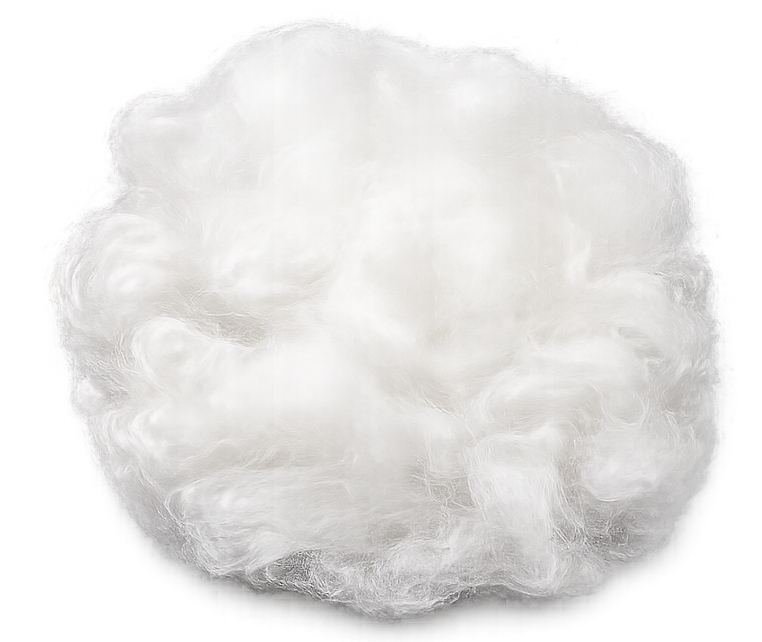
SYLVA® fibers can be blended with both natural and synthetic fibers to achieve specific product characteristics and performance targets.
Choosing the right fiber
The choice between viscose and lyocell depends on the specific application, processing method, and desired product performance. Fiberpartner supports customers in selecting the right SYLVA® fiber solution for each application.

Viscose vs Lyocell
Understanding the difference.
Both viscose and lyocell are regenerated cellulose fibers made from wood-based raw materials. They share many characteristics, including softness, comfort, and excellent absorbency. However, the fibers differ in production technology and performance profile.
Viscose
Viscose fibers are widely used across textile and nonwoven industies due to their softness, versatility, and cost-efficient performance.
Typical characteristics include:
- Soft hands feel
- Excellent absorbency
- Good drapability
- Broad application flexibility
- Suitable for blending
Lyocell
Lyocell fibers are produced using a solvent-spinning process with high solvent reccovery rates. The fiber is known for strong performance and durability.
Typical characteristics include:
- High strength, including wet strength
- Excellent softness
- Good moisture management
- Durable fiber structure
- Suitable for premium textile and nonwoven applications
Applications for SYLVA®
Nonwovens
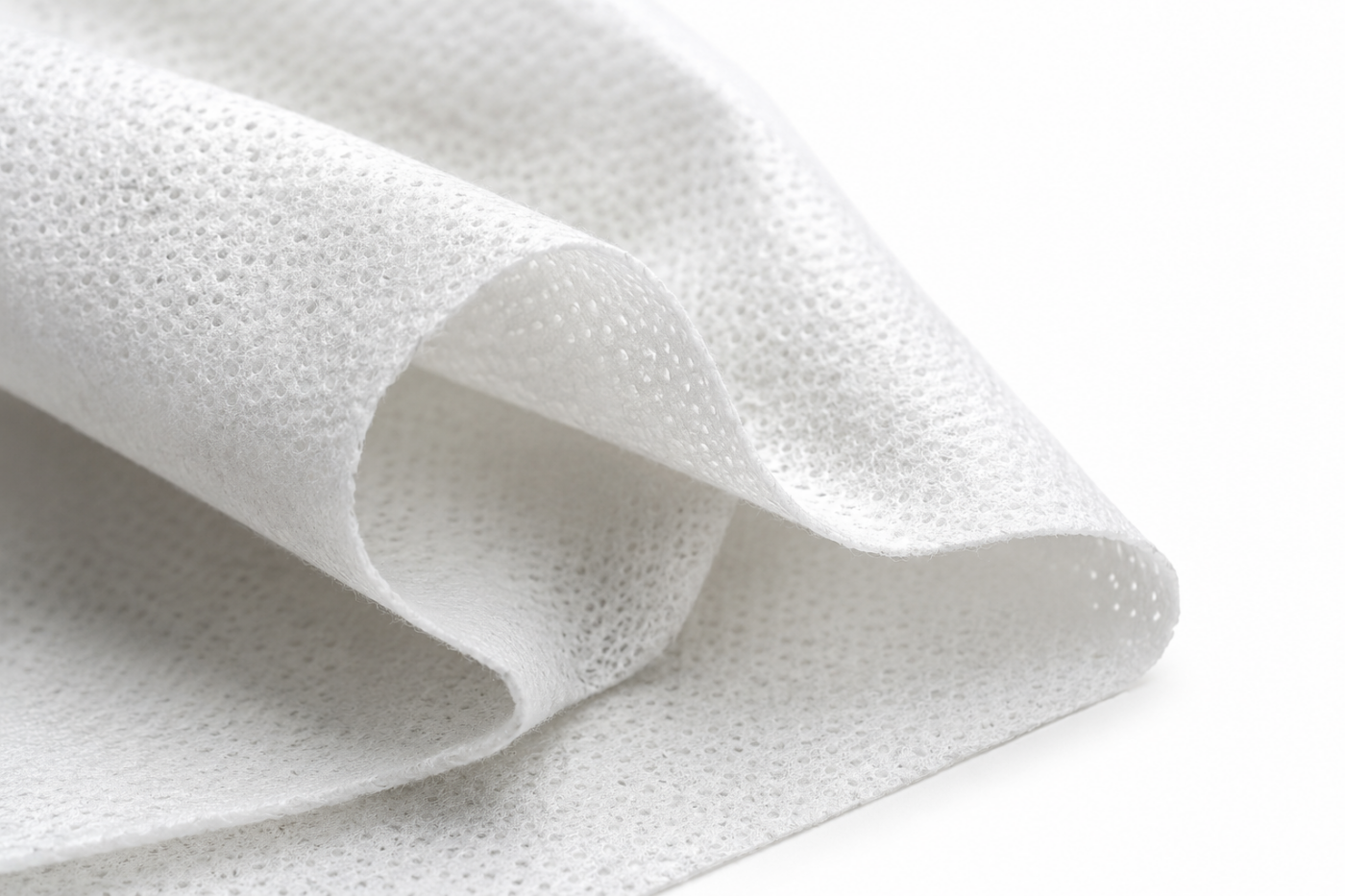
Suitable for multiple nonwoven technologies and end uses, including:
- Wipes
- Medical nonwovens
- Beauty and cosmetic applications
- Industrial wipes
- Disposable products
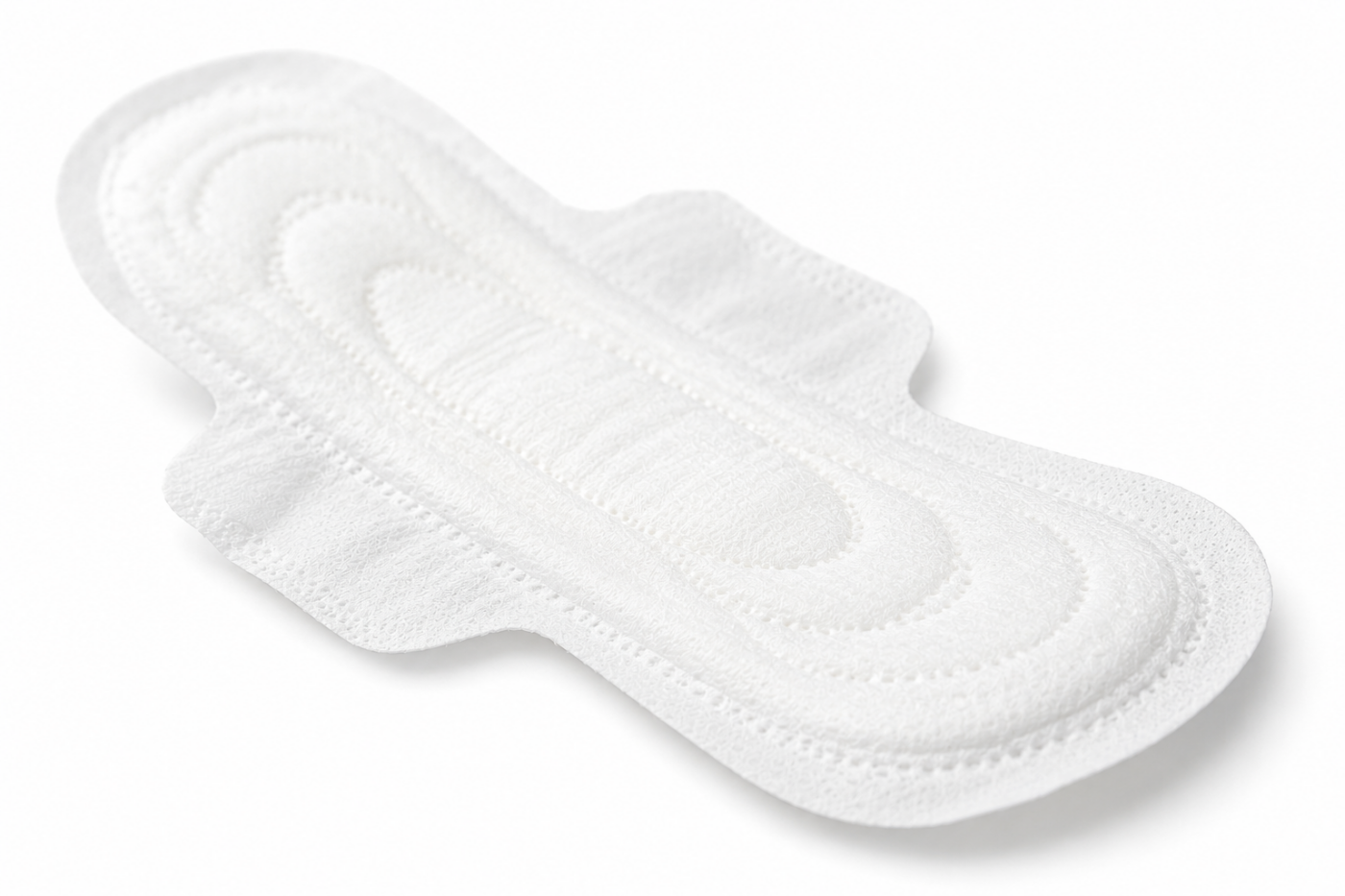
Hygiene
SYLVA® supports hygiene applications where softness, absorbency, and comfort are essential. Typical:
- Hygiene products
- Personal care products
- Absorbent solutions
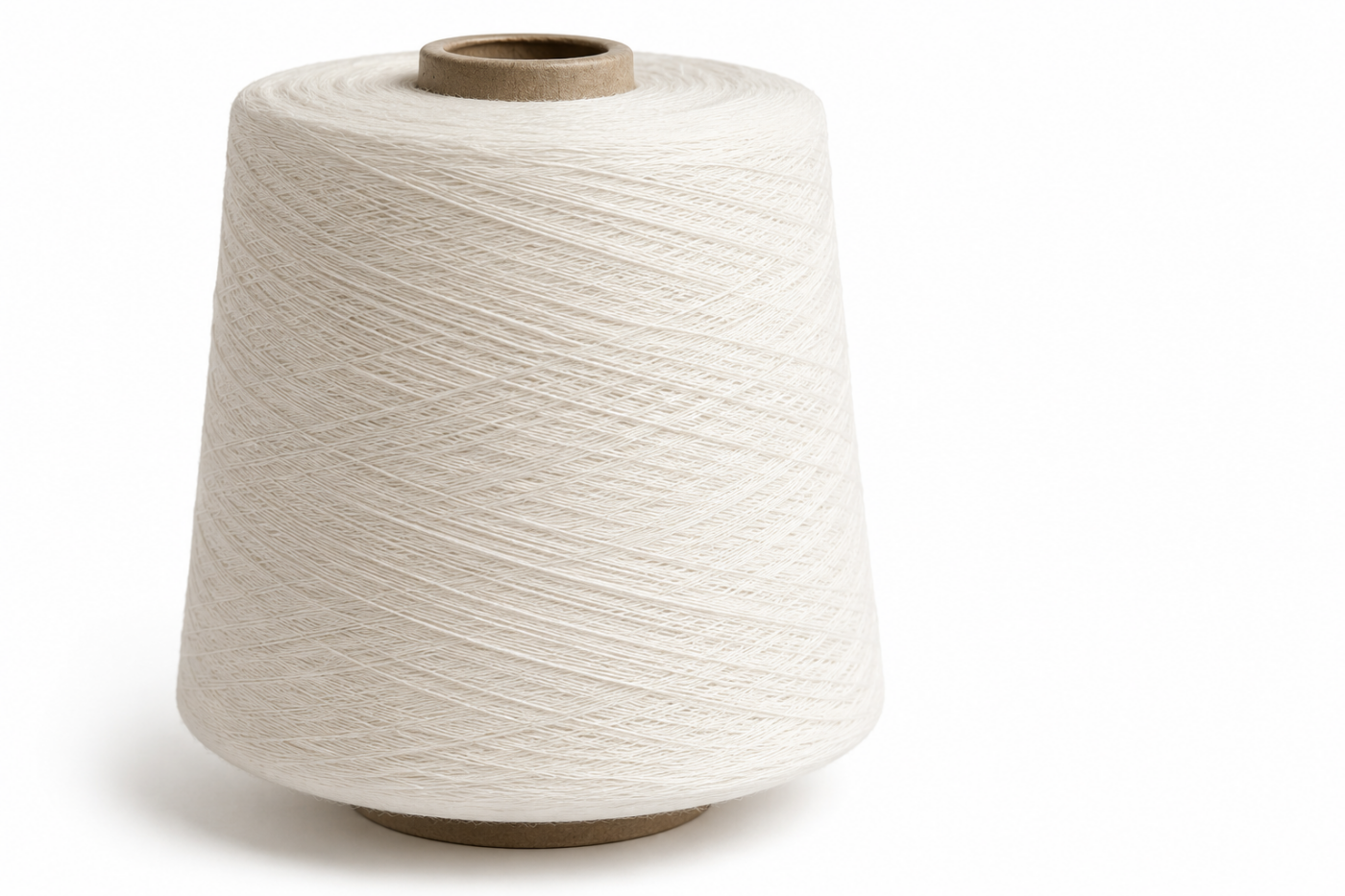
Spinning
The fiber range can be used in spinning applications for yarn and textile production, both as standalone fibers and in blends. Typical:
- Apparel textiles
- Yarn blends
- Knitwear
- Woven textiles
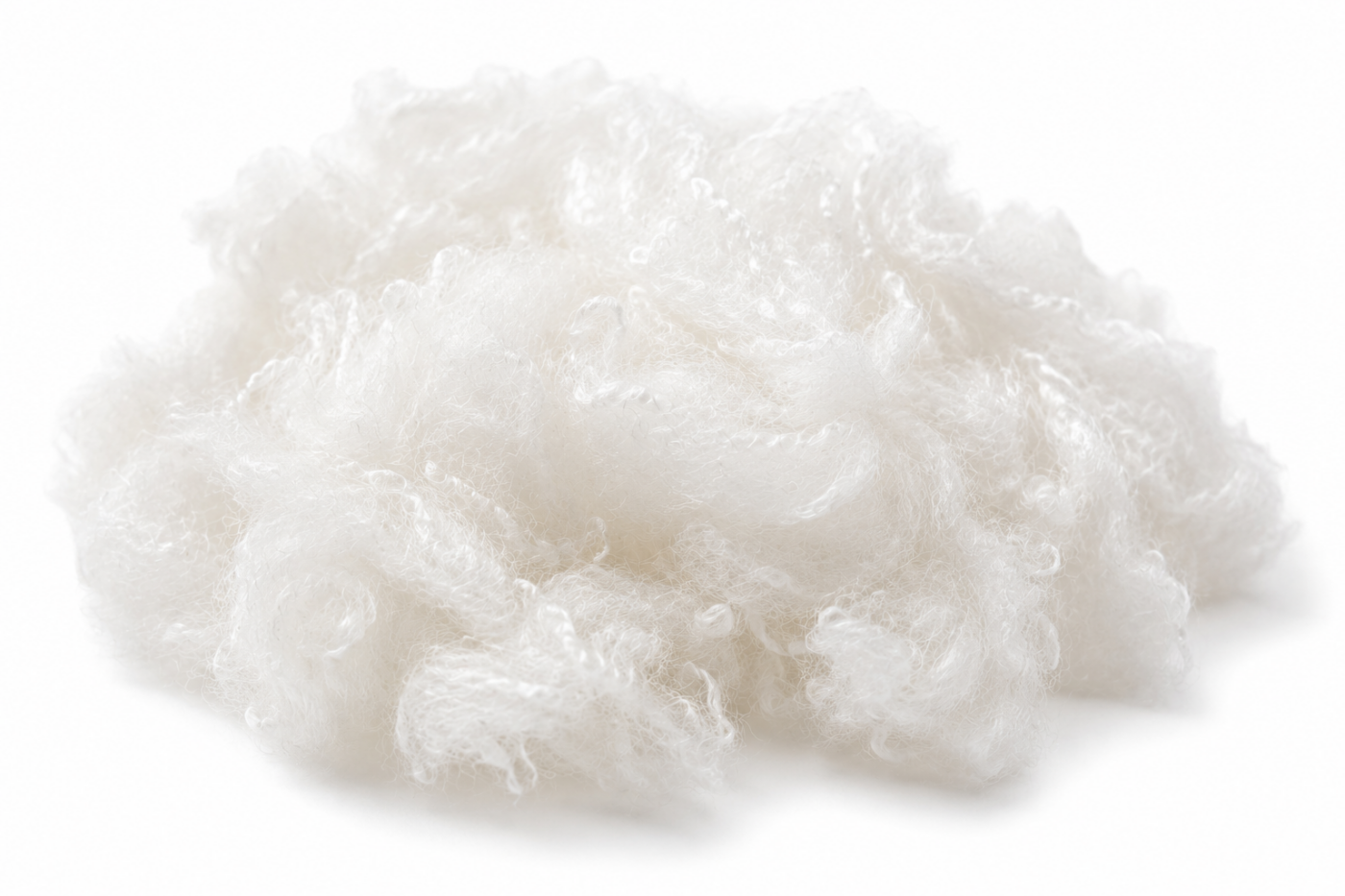
Home textile
SYLVA® fibers support soft and comfortable home textile applications. Typical:
- Bedding
- Upholstery textiles
- Decorative textiles
- Filling applications
How do I choose between SYLVA® viscose and SYLVA® lyocell?
The right choice depends on the application, processing method, and desired end-product performance. Fiberpartner supports customers in selecting the most suitable SYLVA® fiber solution based on technical and commercial requirements.
What applications are especially suitable for SYLVA®?
SYLVA® is particularly suitable for applications requiring softness, comfort, and absorbency, such as:
- Hygiene and personal care products
- Wipes and disposable nonwovens
- Bedding and upholstery
- Apparel and knitwear
- Beauty and cosmetic applications
Are SYLVA® fibers based on renewable resources?
Yes. SYLVA® fibers are produced from certified wood-based raw materials, providing a clear connection to renewable resources and supporting responsible sourcing strategies.
Can SYLVA® fibers be blended with other fibers?
Yes. SYLVA® fibers are suitable for blending with both natural and synthetic fibers to achieve specific product properties, functionality, and performance targets.
Which industries can use SYLVA® fibers
SYLVA® fibers are suitable for a broad range of industries and applications, including:
- Nonwovens
- Hygiene products
- Spinning and textiles
- Home textiles
- Wipes and medical applications
- Apparel and yarn blends
What is the difference between viscose and lyocell?
Both fibers are regenerated cellulose fibers made from wood-based raw materials, but they differ in production method and performance profile:
- Viscose is known for softness, absorbency, versatility, and cost-efficient performance.
- Lyocell offers higher strength, durability, and strong moisture management properties, making it suitable for premium applications.
What are the main benefits of SYLVA® fibers?
SYLVA® offers several key benefits, including:
- Soft and comfortable feel
- Excellent absorbency and moisture management
- Reliable processing performance
- Versatility across applications
- Compatibility with blending technologies
- Connection to renewable raw materials
What is SYLVA®?
SYLVA® is Fiberpartner’s range of viscose and lyocell fibers made from certified wood-based raw materials. The fibers are designed for applications where softness, absorbency, comfort, and reliable processing performance are important.